There is a big change happening in how driving licenses are handled, renewed, and checked in Canada and the US. The rules in the two countries aren’t the same, but recent changes show that they are moving in the same direction: easier renewals more digital options, fewer visits in person, and clearer rules for older drivers.
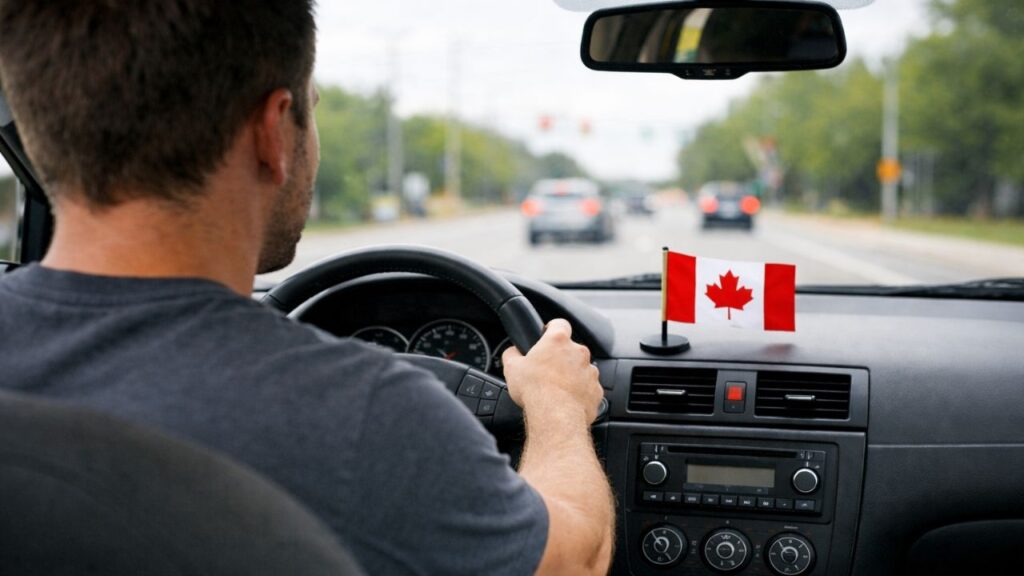
This is one of the most useful changes in years for both regular drivers and seniors. It cares more about safety, accessibility, and ease of use than paperwork. This article goes into great detail about what this new direction means, how it affects seniors, and why drivers of all ages are happy about it.

Why the Rules for Getting a Driving Licence Are Changing Now
The systems for getting a driver’s license in Canada and the U.S. were made a long time ago. Over time, they got more complicated, less consistent, and more stressful, especially for older people. Long waits at licensing offices, confusing renewal notices, and unclear medical requirements made things harder than they needed to be.

Governments had to do something for a number of reasons:
- Both countries have populations that are getting older.
- More people are using government services online
- What we learned from the closures during the pandemic
- More and more people want digital IDs
- A focus on road safety that doesn’t discriminate based on age
The latest changes don’t want to limit drivers; they want to make the system more up-to-date so that it works better for everyone.
The main change that affects all drivers
The biggest change is that licence management will be easier and more flexible for everyone, no matter how old they are. This includes:
- More online renewals
- Less required visits in person
- Some places have longer periods for renewing.
- Medical review processes that are easier to understand
- Digital licence options where they are available
For the first time, seniors are being included in changes that make things easier for everyone instead of being singled out for stricter rules.
What This Means for Older People in Canada
Renewing your licence is easier.
In a lot of Canadian provinces, seniors used to have to renew their licenses more often and go in person. New updates are making this easier by:
- Allowing people to renew their licenses online if they don’t have any medical problems
- Giving low-risk drivers longer time to renew their licenses
- Cutting down on vision tests for stable drivers
Seniors who have never had a traffic accident are no longer automatically seen as high risk.
Medical Reviews Are More Specific
Medical reviews are now more personalised, rather than based on age. This means:
- Medical conditions, not just age, cause reviews to happen.
- Doctors do not impose blanket restrictions; instead, they conduct focused assessments.
- Stable conditions usually don’t need to be reported as often.
This method keeps the roads safe while still respecting independence.
Digital Services Cut Down on Office Visits
A lot of provinces now let seniors:
- Get reminders about renewals by email
- Upload files safely
- Confirm your identity online
This is especially useful for older people who have trouble moving around or who live in rural areas.
What This Means for Older People in the US
Less need for automatic in-person visits
Several U.S. states have made it easier for seniors to renew their licenses without having to go in person. New updates let
- Seniors who qualify can renew by mail or online.
- Vision tests should be done by certified providers instead of DMV offices.
- Drivers with clean records can keep their licenses for longer.
This lowers stress without lowering safety standards.
Rules that are more the same in all states
States are in charge of issuing driver’s licenses, but there is a growing effort to make policies more similar. Seniors who move to another state or spend the winter somewhere else can benefit from:
- Rules for transfers that are easier to understand
- Better understanding of medical clearances
- Less testing that is the same
This is especially helpful for retirees who live in more than one state.
Digital Driving Licenses: A Big Step Forward
What is a digital licence?
A digital driving licence is a government-issued licence that is safely stored on a smartphone. It doesn’t replace the physical card yet, but it does add to it.
Why Drivers Are Happy About This Change
Digital licenses give you:
- Proof of identity right away
- Less likely to lose or damage things
- Faster checks when you’re stopped for traffic or on the road
- Updates are easy when information changes.
Older people who are comfortable with smartphones like having a backup option.
Protecting Privacy and Security
Governments are stressing strong protections, such as:
- Fingerprint or face recognition for biometric access
- Sharing of data is limited.
- Access without the internet in places that don’t have it
This takes care of worries about data exposure or misuse.
How This Update Makes Roads Safer
The changes are not just for the sake of ease. Safety is still a top priority.

Concentrate on Skill, Not Age
Instead of using age as a stand-in for risk, licensing authorities are focusing on:
- Driving record
- Stable health
- Ability to see and react
- When needed, professional medical advice
This makes evaluations more fair and accurate.
Better Watching of Drivers Who Are High-Risk
The money saved by making renewals easier is being used for:
- Drivers who break the law more than once
- Serious health problems that make it hard to drive
- Records showed unsafe driving habits.
This makes the roads safer for everyone.
What makes this update especially good news for seniors
For a long time, many older people thought that licensing rules were meant to hurt them, not help them. The most recent changes show a change in attitude.
Seniors get:
- More respect for being independent
- Less worry about renewals
- Expectations that are clear instead of vague requirements
- Acknowledgement of safe driving habits for life
This update makes it clear that experience is important.
What Has Not Changed
It’s important to know what stays the same.
- Drivers who are unsafe can still lose their licence.
- Serious medical conditions still need to be looked at.
- The laws against driving while drunk are still strict.
- Standards for vision still apply
The system is more adaptable, not less accountable.
What Drivers Should Do Next
Drivers should do the following to get the most out of these updates:
- Look into the ways they can renew their provincial or state licence
- Make sure your contact information is correct.
- Look over renewal notices carefully.
- If you need medical reports, talk to their doctor right away.
- Look into digital licence options if you can.
Being proactive helps you avoid stress at the last minute.
Questions That Drivers and Seniors Often Ask
Will seniors still need to have their vision checked?
Yes, but not as often and usually not in licensing offices.
Are digital licenses required?
No. You still need and can use physical licenses.
Do these rules apply to all places?
The way it is put into place varies by province and state, but the general trend is the same.
Can a licence still be put on hold?
Yes, if there are safety issues.
Why This Change Will Matter in the Long Run
Driving isn’t just getting from one place to another. For a lot of older people, it means freedom, respect, and being part of a community. Updating licence systems helps keep that freedom while also making sure that roads stay safe.
Digital services, faster renewals, and clearer rules are also good for younger drivers. This change isn’t just for seniors. It is an improvement for the whole system.