On, the Canadian dollar rose slightly against the U.S. dollar. This was due to rising oil prices and the market’s anticipation of upcoming domestic housing data. After a time of volatility that saw the loonie hit a five-week low last week, this small change has happened. To get a better idea of where the Canadian economy might be headed in the next few months, analysts are keeping a close eye on oil markets bond yields, and other economic indicators.
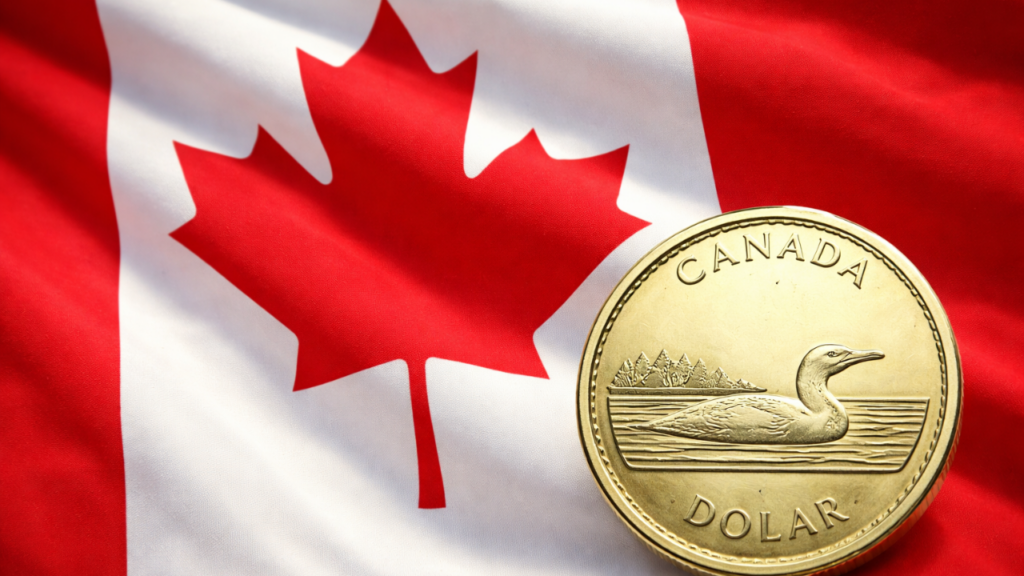
The Canadian dollar is slowly getting better.
The Canadian dollar was worth 1.3875 U.S. dollars on Wednesday, which is 74.21 U.S. cents. This was a 0.1 percent increase. Earlier in the day, the loonie moved between 1.3867 and 1.3898 in a small range. This small rise came after the currency fell to a five-week low of 1.3920 per U.S. dollar last Friday.

Market strategists say that two main things are behind this recovery: higher oil prices and changes in the difference between interest rates in Canada and the US. Shaun Osborne and Eric Theoret, senior strategists at the Bank of Nova Scotia, said that the Canadian dollar is supported by the fact that oil prices are going up. They also pointed out early signs that interest rate differentials were starting to change, which makes the currency even more appealing.

Oil prices are a big reason why the Loonie is strong.
Canada is a big exporter of oil, and the loonie has always been affected by changes in crude prices. Oil prices went up for the fifth day in a row on Wednesday because people were worried about possible supply problems in Iran. Concerns about a tighter global oil supply have risen because of tensions between the U.S. and Iran, which could lead to military action and retaliation. Prices have gone up.
U.S. crude oil futures rose 1.3 percent to $61.92 per barrel, which was good for the Canadian dollar. The Bank of Nova Scotia strategists stressed that “oil price recovery is important for Canada because the country depends on energy exports.”
Differences in interest rates and changes in currency
On Wednesday, the yield on Canadian two-year government bonds was 97 basis points lower than the yield on U.S. two-year government bonds. This was a small change from the widest gap of 99 basis points seen last Friday. The difference in interest rates between two countries, called the interest rate differential, is one of the most important things that affects the value of a currency. When Canadian rates go up compared to U.S. rates, the loonie usually gets stronger because higher yields draw in foreign investors.
Scotiabank strategists also pointed out that there doesn’t seem to be a lot of risk in the near future, especially before Thursday’s release of December’s existing home sales and manufacturing sales data.
Housing Market Data Is the Focus
Investors are paying close attention to Canadian housing data because it gives them an idea of how the economy is doing at home. The data that comes out on Thursday will be about home sales in December. The previous numbers for November showed a big drop, with sales down 10.7% from the same month last year. The decline was caused by the long-lasting effects of trade tensions on the economy, which have affected how much people spend and how many mortgages they take out.
Housing and trade have a complicated relationship.
The drop in home sales shows how international trade and domestic markets affect each other. People may be less confident about buying big things like homes when there is uncertainty about trade wars. Analysts are keeping an eye on the next housing data to see if this trend continues or if there are signs that the market is stabilising.
Government Programs and Economic Diversification
Mark Carney, the Prime Minister, has stressed how important it is for Canada to rely less on U.S. exports for its economy. Carney’s historic trip to Beijing on Wednesday was in line with this plan. It was the first time a Canadian prime minister had been to China since 2017. Part of a bigger plan to diversify Canada’s economy and find new ways to grow outside of North America is to strengthen trade ties with other markets around the world.
 Canada Driving Licence Renewal Rules March 2026 Major Changes Drivers Over 65 Should Prepare For
The tech and financial sectors are putting pressure on the TSX.
Even though the loonie went up, the Toronto Stock Exchange (TSX) went down because the technology and financial sectors lost more than the commodities sectors gained. The difference between how well commodities do and how well the overall market does shows how complex Canada’s economy is. Industries that deal with commodities, like oil and natural resources, benefit directly from rising global prices. Other industries, on the other hand, are still affected by how people feel about the markets at home and abroad.
Trends in the market and investor confidence
People who watch the market say that a number of things affect investor confidence, such as corporate earnings, interest rate expectations, and geopolitical risks. In particular, ongoing tensions in the Middle East and the possibility of supply disruptions in oil markets have made it hard for investors to figure out how much risk they are taking on when they buy Canadian stocks.
Canadian Bond Yields and What They Mean for the Market
As Wall Street fell and investors took in U.S. economic data, such as retail sales and producer price reports, Canadian government bond yields fell slightly across a flatter curve. The yield on the 10-year government bond dropped 4.4 basis points to 3.365 percent, the lowest level since early December.
Getting to Know the Yield Curve
When the gap between short-term and long-term interest rates gets smaller, the yield curve becomes flatter. This could mean that people’s expectations for inflation and economic growth are changing. Investors watch the yield curve closely because it could mean changes in monetary policy or the economy’s speed.
Things to think about when crossing borders
Because the two economies are so closely connected, changes in the U.S. market also affect Canadian bonds. Changes in U.S. retail sales or producer prices can affect Canadian markets in a big way, changing the value of the currency and the yields on bonds.
What will happen to the Canadian dollar?
It’s still cautiously optimistic that the Canadian dollar will do well in the near future. Rising oil prices and stabilising interest rate differentials help, and new housing data will give us more information about how the economy is doing at home. Analysts say that it is important to keep an eye on global political events, especially in the Middle East, because they can have a big effect on commodity prices and, by extension, the loonie.
Important Things to Look Out For
- Oil Market Volatility: Changes in supply or demand that are not expected could have an effect on the Canadian dollar.
- Changes in the Bank of Canada or U.S. Federal Reserve’s policies could affect the value of currencies.
- Trends in the housing market: Sales and manufacturing data from the US will show how strong the economy is as a whole.
- Global Trade Relations: Trying to sell more goods to countries other than the U.S. could change how strong the economy is in the long run.
Final Thoughts
The Canadian dollar’s small rise is due to rising oil prices, changes in interest rates, and investors’ expectations of domestic housing data. The currency has held up well, but outside factors like geopolitical tensions and changes in the global economy still affect how people feel about the market. Canada’s economy is still changing, with both challenges and opportunities for investors and policymakers. This is because the government is working to diversify trade and keep an eye on important economic indicators.