The Canadian dollar just reminded us that currencies don’t always move based on just one headline. Even though Canada announced a new trade deal with China, the loonie fell and hit its lowest point in about six weeks. Traders were reacting to more than just the deal. They were also taking into account changing expectations about U.S. interest rates, political signals from Washington, and the always-important oil market backdrop that can quickly change Canada’s outlook.
At times like this, a “good news” headline doesn’t always mean a stronger currency. In fact, it can sometimes do the opposite, especially if the markets think it might cause trade problems, make things less certain, or change the path of interest rates.

Here is a full explanation of what happened, why the Canadian dollar dropped, and what Canadians, travellers, importers, and investors should look out for next.
 Canada Passport 2026 Ranking Uncovered: Full List Of Visa-Free Countries Every Traveler Should Know
What Happened: The Canadian dollar fell to its lowest point in six weeks.
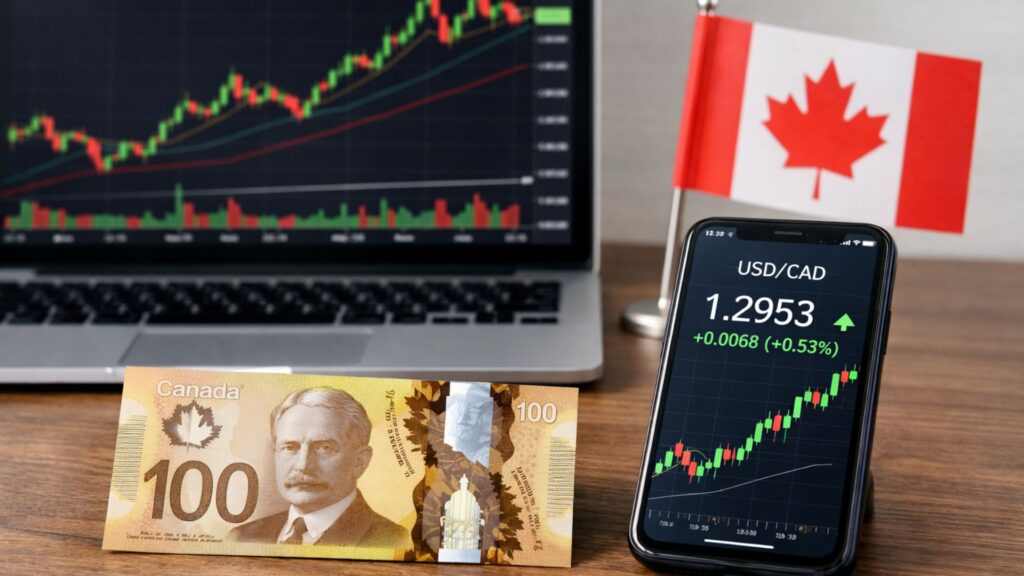
The Canadian dollar got weaker against the U.S. dollar and briefly fell to its lowest point since early December. In real life, that meant that it took more Canadian dollars to buy one U.S. dollar, which is often called the loonie “falling” or “softening.”
Key Market Overview
The currency markets moved by small amounts, but the direction was important. The loonie fell while the U.S. dollar rose across the board. Canadian bond yields also changed, showing that investors were changing their minds about the future of interest rates.
Why a Small Change Still Matters
Even a small daily change can be important if it confirms a trend. When the Canadian dollar is weaker, it can quickly raise the cost of goods that businesses bring in from the U.S. It makes it harder for people travelling to the United States to spend money. And for investors, it usually means that their expectations about inflation, growth, or interest rates have changed.
The Big Surprise: Why the Loonie Went Down Even After Canada and China Made a Deal
A trade deal seems like it should help a currency at first glance. More trade can lead to more exports, more economic activity, and a stronger demand for the currency of the country. But the way the market reacted made it seem like something else was going on underneath.
The Deal Made Things Possible, but It Also Came with Political Risk
Canada and China said they had reached an initial agreement to lower some trade barriers and cut tariffs on important goods like electric cars and canola. In theory, this could help Canadian exporters and make trade easier.
But investors also had to think about how the U.S. would react. If Washington sees stronger ties between Canada and China as a threat to its security or economy, it could make trade between North America and other countries less certain. Currency markets don’t like uncertainty, and CAD is often affected by it.
Markets often set prices based on the next problem, not the current win.
A trade announcement can be good, but if it makes it more likely that there will be more restrictions, retaliation, or problems across borders in the future, traders may sell first and wait for more information later. That is especially true now that the Canadian economy is still very dependent on U.S. demand.
The U.S. Dollar Factor: Why the CAD Was Affected by a Strong USD
The Canadian dollar doesn’t move on its own very often. Even if Canada’s news is neutral or mildly positive, a stronger U.S. dollar can make the loonie go down.
The Fed Chair Story and Washington Signals
One reason the U.S. dollar went up was that people changed their minds about what would happen to U.S. monetary policy in the future. When investors think the next head of the Federal Reserve might be less “dovish,” it usually means they think interest rates will stay higher for a longer time.
Higher expected U.S. rates can bring in more money into U.S. dollar assets, which makes the dollar stronger and puts pressure on other currencies, like CAD.
Why “Dovish” and “Hawkish” Are Important for Currency Traders
- Interest rate differences have a big effect on the value of currencies.
- If U.S. interest rates are likely to stay higher than Canadian rates, it makes sense to hold U.S. dollars.
- CAD can lose value if Canadian rates are expected to drop sooner.
- Even if the rate doesn’t change, just the thought of it can move markets quickly.
Oil Prices: The Usual CAD Driver That Still Matters
Canada is a big exporter of energy, so oil prices can sometimes help or hurt the loonie.
Oil prices went up a little, but the damage was already done.
Oil prices went up for the day, but the bigger picture was more important. Earlier drops in oil prices had already affected how people felt, and traders were still worried about the value of exports. When oil prices drop sharply, it can hurt Canada’s export revenues and make CAD less valuable.
Why Oil Moves Can Quickly Change the Loonie
The price of oil around the world is in U.S. dollars. When oil prices go down, Canada doesn’t get as many U.S. dollars from energy exports. That could make people want fewer Canadian dollars in currency markets.
If traders think the energy market is still unstable, the loonie may not bounce back right away, even if oil prices go up a little.
 Goodbye to Service Canada Confusion: Streamlined Payment System Rolls Out Across Canada in 2026
What Canadian bond yields say about the economy
Bond yields tell you what the market thinks about inflation and interest rates.
The yield on Canada’s 10-year bonds went up and then down.
The yield on Canadian 10-year government bonds changed along with U.S. Treasury yields. When yields go up, it could mean that investors think the economy will get tighter or that prices will go up. When yields go down, it could mean the opposite, or that people are running to safety.
In this case, the changing yields showed uncertainty and how U.S. market moves affected them.
Why Bond Yields Are Important for CAD
- Higher Canadian yields can help CAD because investors may want to buy Canadian assets if they offer good returns.
- If investors move their money to U.S. assets that pay higher interest rates, lower Canadian yields can make CAD weaker.
- The U.S. dollar often gets stronger when U.S. yields rise faster than Canadian yields.
Data from Canada put more pressure on the economy.
The performance of the economy also affects currencies. If Canadian data looks weak, it can hurt the CAD because it makes rate cuts or slower growth more likely.
The data on housing and sales looked weak.
The number of homes sold in Canada went down, and so did other indicators like factory and wholesale sales. This kind of information can help tell the story that Canada’s economy is slowing down.
Central banks often become more careful when growth slows down, which can lower support for the currency.
Why Traders Quickly React to Canadian Slowdowns
- Housing activity
- People’s spending
- Exports and demand for goods
If a lot of data points drop at the same time, traders might think that the easiest way to go is for the Canadian dollar to get weaker.
What the Joint Statement Says About the Canada–China Relationship
The joint statement between Canada and China showed that they wanted more than just trade headlines. It wasn’t just about taxes. It had talks about:
- Getting involved in macroeconomics and starting up financial talks again
- Trade growth and working together on investments
- Food security and farming
- Working together on energy in both clean and traditional sectors
- Financial cooperation, like agreements to swap currencies
- Facilitating travel and exchanges between people
- Global institutions help with multilateral coordination.
Why the Big Picture Matters to Markets
Currency markets don’t just set prices for trade volumes. They want prices to stay the same and be easy to guess.
If Canada strengthens its economic ties with China, it may not rely as much on the U.S., which could be good in the long run.
But it could be bad in the short term if it makes things worse with the U.S. or makes it harder for North Americans to trade.
CAD can lose value even when there is good news because of this push and pull.
What a Weaker Canadian Dollar Means for People in Real Life
It is not always good or bad when the loonie goes down. It depends on your case.
If you go to the US
A Canadian dollar that is less strong means:
- In Canadian terms, hotels, flights, and shopping cost more.
- Costs in U.S. dollars go up even if prices stay the same in the U.S. often feel this right away when they change money.
If you buy things online or bring things into the country
A lot of electronics, subscriptions, and consumer goods are priced in U.S. dollars. A weaker CAD can cause:
- Prices are higher at the end of the checkout
- Retailers have to pay more to bring in inventory for their businesses.
- Prices may go up over time
If you send goods from Canada
Exporters can benefit because goods from Canada cost less for people in other countries. That can help sales, especially for businesses that sell to the U.S. But, It depends on whether the exporter also has costs in U.S. dollars. A weaker CAD can make it more expensive for many Canadian businesses to buy parts.