Canada driving licence rules are set to change from 7 March 2026, and motorists across Canada should understand what this means for them. The federal and provincial governments are working together to modernise the licensing system, improve safety standards, and streamline verification procedures. Whether you are applying for the first time, renewing an existing permit, or holding a commercial licence, the updates could affect your documentation, testing, and eligibility requirements. Here’s a clear breakdown of what drivers in Canada need to know before the new rules take effect.
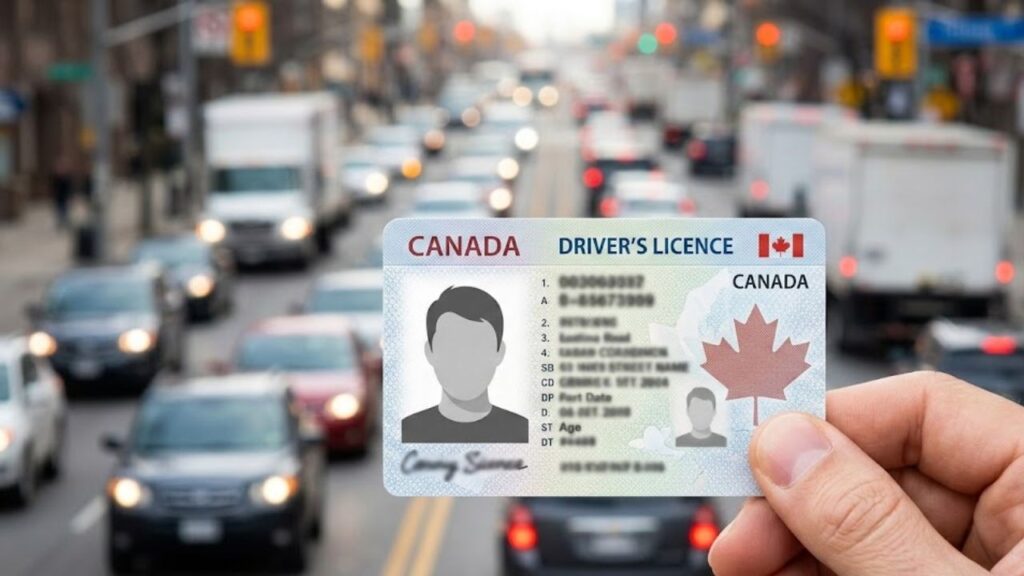
Canada Driving Licence Rules 2026: Major Nationwide Changes
The upcoming reforms mark a national driver overhaul designed to create better consistency across provinces. Through provincial rule alignment, authorities aim to reduce confusion for drivers moving between regions. One key update includes stricter secure ID protocols to prevent identity fraud and duplicate records. In addition, applicants may face road test revisions that better reflect real-world traffic conditions in Canada. These changes are intended to enhance safety while ensuring every licensed driver meets updated competency benchmarks before hitting the road.

Canada Driving Licence Renewal Updates for Current Drivers
Existing licence holders in Canada will also notice important modifications under the new policy. The 2026 reforms introduce licence renewal adjustments that could require additional documentation during the renewal process. Certain categories may undergo age-based screening checks to confirm continued driving fitness. Authorities are also tightening residency proof updates to ensure records remain accurate and current. Alongside these steps, some provinces may implement service fee revisions reflecting administrative improvements. While the process may feel more detailed, it aims to keep Canada’s roads safer and more accountable.

Impact of the 7 March 2026 Canada Driving Licence Reform on New Applicants
For new drivers in Canada, the system will become more structured and comprehensive. Officials are considering a graduated system expansion to encourage responsible driving habits. This could include a longer learner phase in certain provinces to strengthen on-road experience. Testing may also incorporate advanced hazard modules focused on urban and highway risks. To improve accessibility, departments plan a digital booking rollout that simplifies appointment scheduling. These enhancements are designed to prepare first-time drivers more effectively for Canada’s diverse driving conditions.
What the 2026 Canada Driving Licence Changes Mean Overall
Overall, the new regulations represent a clear nationwide compliance push that reflects a broader transport policy shift across Canada. By modernising procedures and raising standards, regulators are prioritising safer mobility standards for all road users. Drivers should review provincial guidelines, confirm renewal timelines, and gather required documents early to avoid delays. In the long run, this administrative process upgrade could make licensing more secure, efficient, and transparent for millions of Canadian motorists.
| Update Area | Key Change | Effective Date | Who Is Affected |
|---|---|---|---|
| Identity Verification | Stronger documentation checks | 7 March 2026 | All applicants |
| Driving Tests | Revised knowledge and road exams | 7 March 2026 | New drivers |
| Licence Renewal | Additional screening requirements | Phased 2026 rollout | Existing licence holders |
| Digital Services | Online booking expansion | Beginning 2026 | All driver categories |
| Administrative Fees | Updated provincial charges | 7 March 2026 | Renewals and new applications |
Frequently Asked Questions (FAQs)
1. When will the new Canada driving licence rules start?
The updated rules are scheduled to take effect on 7 March 2026 across Canada.
2. Will all provinces follow the same regulations?
 Goodbye Cash Queues: Service Canada Expands Rapid Digital Payments Nationwide 7 March 2026
Core guidelines apply nationally, but provinces may adjust implementation specifics.
3. Do current drivers need to retake their driving test?
Most existing drivers will not retake tests unless required during renewal review.
4. How should drivers prepare for the 2026 changes?
Drivers should monitor provincial updates and ensure their documents are current.