At the beginning of March 2026 Canadian seniors will reach an important income milestone. The Canada Pension Plan (CPP) and Old Age Security (OAS) payments are both due to arrive in March. This means that many retirees will get a bigger monthly deposit. Seniors who are eligible for both benefits and higher rates could make up to $2,900 a month in total income.
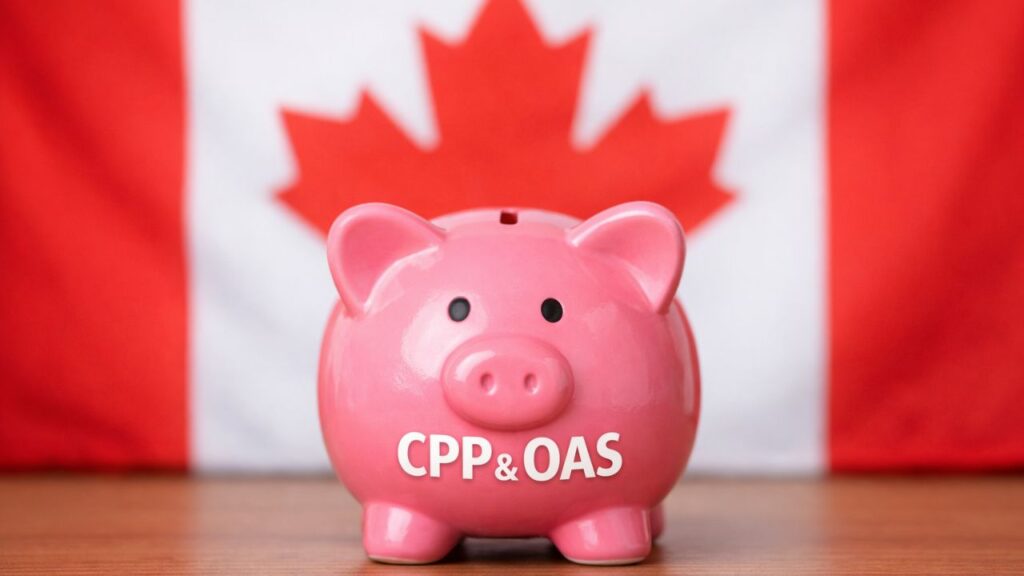
This article talks about how the combined CPP and OAS payments work, why March 2026 is important, who can get higher amounts, how the amounts are figured out, and what seniors should do now to make sure their payments come on time and without any problems.
 Goodbye Paper Statements: Banks Shift to Digital Billing With Extra Fees From 10 March 2026
Why March 2026 Is Important for Older People
March is always a big month for federal retirement benefits. It is when new rates go into effect after annual changes based on inflation and program rules. In March 2026, when CPP and OAS are paid together, seniors will see the full effects of those changes on their monthly income.
Getting both benefits at the same time makes it easier for many retirees to budget and see how much money they have coming in each month. The combined payment gives you stability at the start of the year, when costs like utilities, housing, and insurance tend to go up.
How to See CPP and OAS as Two Different but Related Programs
What the Canada Pension Plan Offers
What the Canada Pension Plan Offers: CPP is a pension that you pay into. The amount you get depends on how much and how long you worked and how old you were when you started getting benefits. Seniors who paid the most or close to the most for most of their careers get higher monthly payments.
Every year, CPP is changed to account for inflation. These changes are permanent and will be added to your monthly benefit payments.
What Old Age Security Gives You
Most Canadians aged 65 and older can get OAS, which is a non-contributory benefit program. Age and where you live, not your work history, determine if you qualify. You don’t have to have worked to get OAS, unlike CPP.
Payments from OAS are also changed on a regular basis, and seniors 75 and older get more money as a base amount. For some recipients, this age-based increase is a big part of getting their combined monthly totals closer to $2,900 per month.
Why CPP and OAS Are Paid Together
Why CPP and OAS Are Paid Together: The federal government runs both programs and makes payments on a set payment schedule. In most cases, both benefits are deposited on the same date when they are issued in the same month.
Seniors who qualify can expect both payments to arrive at the same time in March 2026, making a single monthly deposit. This doesn’t mean that the programs are the same. Each benefit stays separate, but they are all given at the same time for ease and consistency.
How the monthly totals can be as high as $2,900
The amount of up to $2,900 per month is the highest amount that seniors who qualify for higher payments under both programs can get.
The worst-case scenarios for CPP
Older people who:
- Paid into the CPP at or near the maximum amount for most of their working life
- Started getting CPP at age 65 or older
- Did not take early reductions are in queue to get higher CPP payments.
More OAS for seniors 75 and older
People who are 75 or older get a higher OAS base rate. When this higher OAS amount is added to a strong CPP payment, total monthly income can get close to $2,900 per month.
Results Will Be Different for Each Person
Not all seniors will get the most. The totals that are combined depend on:
- History of contributions
- Age when you can retire
- History of living in Canada
- If benefits were started early or put off
The $2,900 number is the most that could be paid, not the average.
Who Can Get Both CPP and OAS Payments
If you meet the following requirements, you may get both CPP and OAS payments in March 2026.
Age and Enrolment
You need to be:
- At least 65 years old
- OAS has given its approval
- Approved for CPP retirement benefits
Also, seniors who turn 65 in late 2025 or early 2026 may be able to apply, depending on when their applications were processed.
Requirements for OAS residency
To be eligible for OAS, you must have lived in Canada for a certain number of years after turning 18. People who meet the maximum residency requirement can get full OAS. People who have fewer qualifying years can get partial OAS payments.
History of CPP Contributions
Your contribution history will determine whether you can get CPP and how much you will get. Older people who have worked longer and made more money get more.
Guaranteed Income Supplement and Combined Payments
In addition to OAS, some seniors also get the Guaranteed Income Supplement (GIS). GIS is based on income and is meant to help seniors with low income support.
Increases in CPP and OAS can affect GIS eligibility, but changes are made to make sure that support stays targeted. Seniors who get GIS should carefully look over their March 2026 payment because changes in the amounts of CPP or OAS may change the mix of their total monthly benefits.
How and when to pay in March 2026
Direct Deposit
Most seniors get their CPP and OAS payments through direct deposit. When both payments arrive at the same time, they may show up as two separate entries or as one deposit, depending on how your bank handles federal benefit payments.
Direct deposit is the quickest and most dependable way, especially in the winter when mail is often late.
Payments by Check
Seniors who get checks should expect them to arrive a little later than the date on the direct deposit. The weather and amount of mail in March can affect when things happen.
What Older People Should Do Before March 2026
Even though the payment is automatic for those who qualify, there are some things you can do to avoid payment problems.
Check Your Banking Information
Check that your direct deposit information is up to date. Changes should be made long before the end of 2025.
Look over your benefit statements
To find out how much money you can expect to get, look at your most recent CPP and OAS statements.
Pay Your Taxes on Time
Certain supplements and clawback thresholds depend on income information. Filing on time makes sure that your benefits are calculated correctly.
Change Your Personal Information
Changes in your address, marital status, or where you live can change your eligibility for benefits and the amount you get.
Tax Implications for Joint Payments
CPP and OAS are both types of income that are taxed. When the combined monthly totals go up, the annual taxable income may also go up.
Some older people decide to:
- Ask for voluntary tax deductions from their payments
- Put some of their benefits aside for taxes.
- Check to see if you qualify for income-tested credits
Knowing how taxes will affect you ahead of time can help you avoid surprises during tax season.
Why it’s important to plan for retirement with combined payments
Getting both CPP and OAS gives you a better idea of how much money you’ll have each month when you retire. This helps older people get ready for:
- Costs of housing
- Insurance and utilities
- Transportation and food
- Costs of medicine and prescriptions
Predictable combined payments lower uncertainty and make budgeting easier, especially for seniors on fixed incomes.
Frequently Asked Questions About Payments in March 2026
Will everyone get $2,900?
No. This is a best-case scenario for seniors who get a lot of CPP benefits and a higher OAS.
No, you don’t need to apply to get both payments at the same time.
Payments are made automatically if you are already enrolled.
What if I only get one benefit?
You will keep getting the benefit you are eligible for. Only people who are eligible for both CPP and OAS can get combined monthly payments.
Yes, payments can change later in the year.
Benefits are looked at every so often, and the amounts may change because of inflation or changes in personal life circumstances.