The Canada Revenue Agency has confirmed that Canada’s Tax-Free Savings Account contribution limit for 2026 is now locked in, giving Canadians clarity as they plan their savings and investment strategies for the year ahead. This confirmation takes away the uncertainty for millions of TFSA holders who use the account as a key part of their financial planning. Inflation is slowing down, and the rules for indexation are clear.
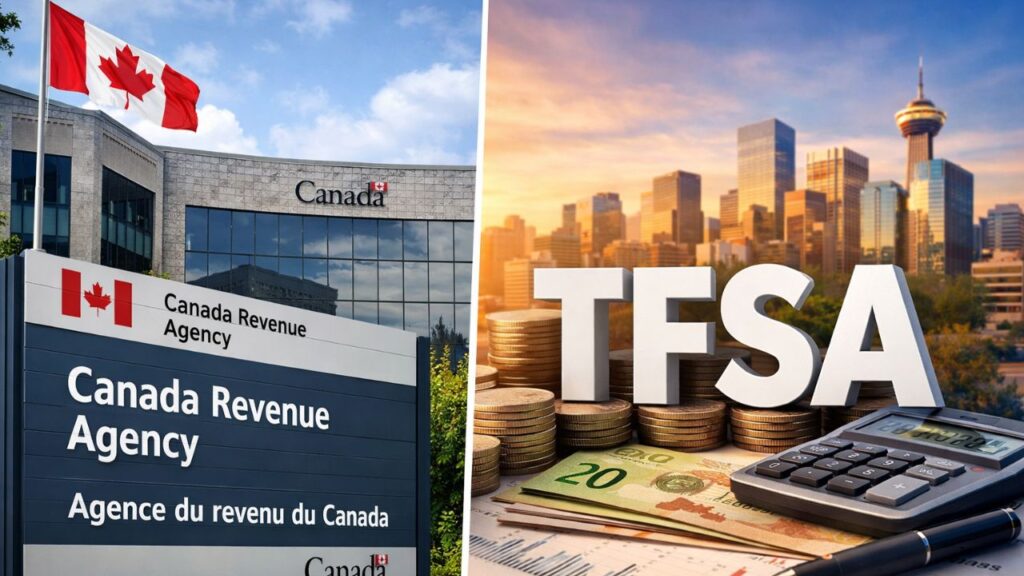
TFSAs aren’t a direct payment program, but the confirmed limit sets a limit on how much tax-free growth Canadians can make in 2026. For a lot of families, especially seniors, retirees, and middle-income savers, TFSA room acts like a long-term financial cushion. In that way, the benefit is coming, even if it doesn’t come in one big deposit.

This article explains what it means that the 2026 TFSA limit is set in stone, how the limit is figured out, who benefits the most, and what Canadians should do now to make the most of their contribution room.

What Does It Mean When the TFSA Limit Is “Locked In”?
When the CRA says that a TFSA contribution limit is locked in, it means that the dollar amount for the year has been set according to the law and will not change. This lets banks, employers, advisors, and individual savers plan for the next calendar year with confidence.
The TFSA contribution limit goes up by a set amount every year to keep up with inflation. When the inflation data for the relevant time period is final, the annual limit is set and made public. At that point, no more changes are made.
This confirmation means stability and predictability for 2026, especially after a few years of economic ups and downs.
How to Figure Out the TFSA Contribution Limit
The annual limit for the TFSA changes based on inflation, according to a formula set out in federal law. Some important parts of this calculation are:
- Using the Consumer Price Index to index inflation
- Rounding up to the next $500
- Changes are made every year, not retroactively.
If inflation doesn’t raise the calculated amount above the next $500 mark, the contribution limit stays the same as it was last year. This is what happened in 2026.
The Confirmed TFSA Contribution Limit for 2026
The CRA has confirmed that the TFSA contribution limit will stay the same in 2026 as it was in 2026 . This means that Canadians who qualify will be able to give the full annual amount without worrying that the limit might go up or down later.
This amount that is locked in applies to:
- Everyone in Canada who is 18 years old or older
- People who have a valid Social Insurance Number
- People who can have a TFSA under federal tax law
Unused contribution space from previous years stays with you, which means that people who have had a TFSA for a long time may have a lot more total available space.
Why Canadians Should Care About the Confirmation
The TFSA limit may not make the news like a cash payment, but it will have an effect for a long time.
Predictability for Planning Ahead
Knowing the exact contribution limit lets Canadians plan:
- Contributions made once a month or all at once
- Ways to invest for growth or income
- Withdrawals that don’t cause tax problems
This predictability is very important for people who are about to retire or are already retired and need to take money out of their TFSA to make ends meet.
Protection from Tax Drag
TFSA growth and withdrawals are still tax-free. Canadians know exactly how much money they can keep from taxes in 2026 because the limit is set.
In the long run, this could save you thousands or even tens of thousands of dollars on your taxes.
Who Gets the Most Out of the 2026 TFSA Limit? Seniors and Retirees
The TFSA is important for seniors in a special way. TFSA withdrawals don’t count as income like withdrawals from registered retirement accounts do. This means:
- No effect on Old Age Security
- No cut in the Guaranteed Income Supplement
- No rise in taxable income
Seniors can still use TFSAs to manage their cash flow without losing benefits, now that the 2026 limit has been set.
Canadians and Families Who Work
People and families who work often use the TFSA for:
- Savings for emergencies
- Money for a down payment on a home
- Costs related to education
- Goals for investing in the medium term
A locked-in limit makes it clear how much more money can be saved in the next year.
High Savers with Extra Space
Canadians who didn’t put as much money into their TFSA in previous years may have a lot of unused space. They can plan catch-up contributions without worrying about rules changing because of the 2026 confirmation.
TFSA Contribution Room Carries Over
One of the best things about a TFSA is that any unused contribution room stays open forever. This means:
 5 Big Canada Tax Rule Changes 2026: What Households and Benefit Recipients Must Prepare For
- If you don’t contribute, you don’t lose room.
- Withdrawals free up space for the next year.
- The unused amounts are added to the annual limit.
This carryforward feature stays the same for 2026.
How Withdrawals Change the Amount You Can Contribute in 2026
Taking money out of a TFSA does not permanently lower the amount you can contribute. But the timing is important.
If you take money out in 2026 :
- In 2026, that amount will be added back to your contribution room.
- You can add it back on top of the yearly limit.
This makes planning for the end of the year very important for people who might need money for a short time.
Overcontributing is one of the most common mistakes Canadians make.
If you give too much, you will be punished. Canadians should double-check their available room before making deposits now that the 2026 limit is set.
Not paying attention to previous withdrawals
If you don’t keep track of when you take money out and put it back in, you might accidentally give too much.
Thinking that the rules for TFSA will change all of a sudden
TFSA rules are clear and don’t change very often without warning. The confirmation in 2026 strengthens that stability.
How the TFSA Fits Into Other Types of Financial Help
TFSAs are not a direct payment program, but they are a very useful way to help with money. For a lot of Canadians, tax-free investment growth can be a source of income in the future.
When the economy is unstable, having access to tax-free savings can feel like a benefit that will come when you need it most.
What Canadians Should Do Now: Look Back at Your TFSA Contributions
To find out how much room you have going into 2026, look at your total contributions and withdrawals.
Plan Contributions Ahead of Time
Putting money into the market at different times of the year can lower the risk of bad timing and lead to better long-term results.
Make sure your TFSA strategy fits your life stage.
Your TFSA plan should fit with your goals, which could be growth, income, or flexibility.
What to Expect After 2026
The 2026 limit is set in stone, but any increases after that will depend on inflation trends. If inflation goes up enough to go over the next indexation threshold, a higher limit may be put in place in the future.
Canadians can plan with confidence for now because the rules for 2026 are set.
The CRA’s confirmation that the TFSA contribution limit for Canada in 2026 is set is a welcome piece of news at a time when many financial rules seem to change all the time. Even though there isn’t one payment coming into an account, the benefit of tax-free growth keeps adding up every year.
For Canadians who use their TFSA wisely, this confirmation is worth more than just one year. The TFSA is still one of the best financial tools out there because it has clear rules, stable limits, and tax benefits that last.
The chance is coming with the new year. Canadians will be ready to make the most of 2026 if they get ready now.